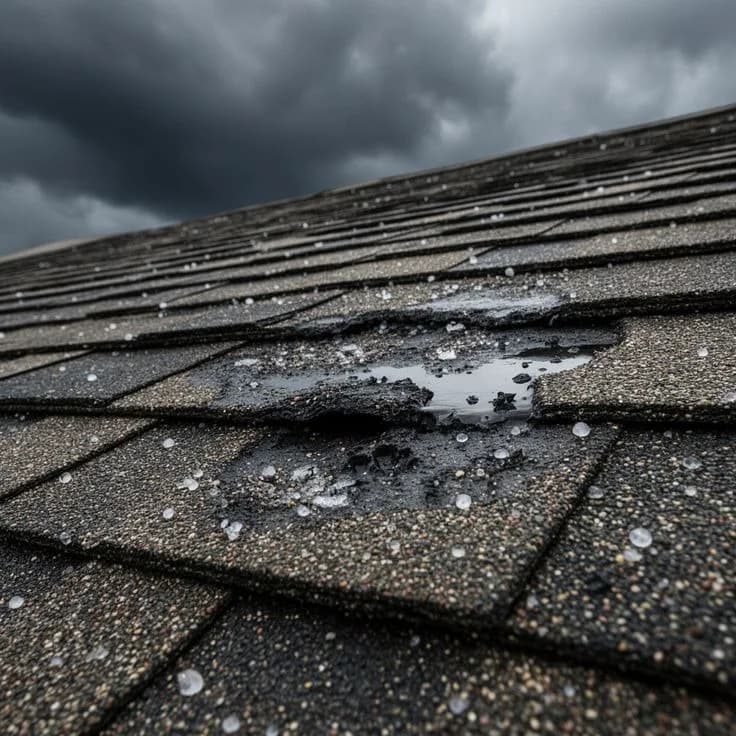
5 Warning Signs Your Roof Needs Immediate Attention
Your roof is easy to ignore until water starts dripping onto your dining table. By the time a leak makes a dramatic appearance indoors, the damage underneath has usually been building up for months.

Your roof is easy to ignore until water starts dripping onto your dining table. By the time a leak makes a dramatic appearance indoors, the damage underneath has usually been building up for months.
Catching roof issues early is the difference between a quick, affordable repair and an expensive total replacement. Here are five clear warning signs that your roof needs immediate professional attention before a small headache turns into a major disaster.
1. Water Stains on Ceilings or Upper Walls
If you notice brown, yellow, or grey rings spreading across your ceiling or creeping down the walls in your upper floor, you have an active leak. Water rarely travels straight down; it often enters through a breach in the outer shingles, runs along roof rafters or insulation, and finally pools above your drywall.
Pro Tip: What to look for: Discolored patches, peeling paint near the ceiling line, or drywall that feels soft or damp to the touch.
2. Missing, Cracked, or Curling Shingles
Shingles are your home's primary shield against rain, wind, and UV rays. When they age or take a beating from severe weather, they lose their structural integrity.
- Curling edges: Shingles that cup upward at the edges or curl in the center have reached the end of their lifespan and can easily blow off in high winds.
- Cracks: Thermal expansion and contraction cause brittle shingles to split, allowing water to seep directly onto the underlayment.
- Missing pieces: Exposed gaps leave your roof deck completely vulnerable to rot.
3. Granules Accumulating in Your Gutters
Asphalt shingles are coated with hard mineral granules that shield the asphalt from sun damage. As shingles age, these granules loosen and wash down into your rain gutters. A few stray granules after a severe storm are normal, but finding piles that look like coarse black sand means your shingles are bare and degrading fast.
4. A Sagging Roofline
A sagging roof is an emergency. It signals structural damage in the decking or the underlying rafters, often caused by long-term moisture trapped inside the roof assembly.
- Look at your roofline from across the street. It should follow a straight, sharp line along the ridge.
- If you notice dips, curves, or a visible "swag" along the top edge or between peaks, the support structure is failing under the weight of the roof.
5. Sunlight or Moisture in the Attic
Your attic is the best place to perform an internal roof inspection. Step into the attic during daylight hours, turn off the light, and look up toward the roof deck.
- Light rays: If you see pinpricks of daylight shining through the boards, water can and will get through those exact spots.
- Musty smells or dark streaks: Persistent damp smells, visible mold, or dark streaks on the wooden framing indicate hidden moisture intrusion.
What to Do Next
If you spot any of these warning signs, don't wait for the next heavy rainstorm to take action. Contact a licensed local roofing contractor to perform a thorough inspection, identify the source of the damage, and provide a clear repair plan before structural damage spreads.
A roof issue caught early is a simple repair. Left unchecked, it becomes a structural emergency. Keep an eye out for these five signs, and don't hesitate to call in a professional the moment something looks off.