Why Spring is the Best Time to Schedule a Roof Inspection
Spring is the perfect season to inspect your roof after months of winter stress and prevent costly repairs before storm season arrives.
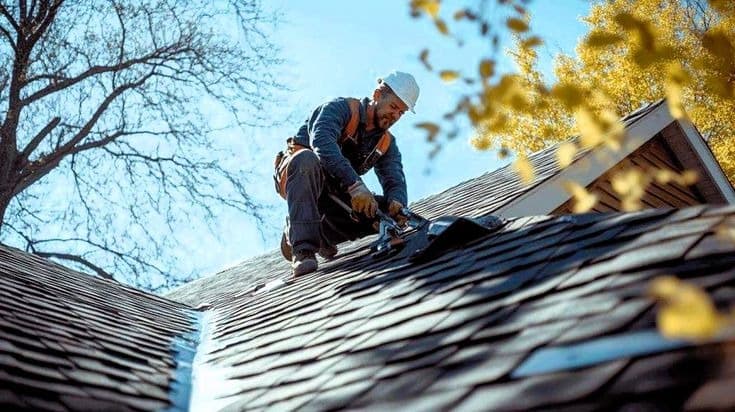
Winter is officially in the rearview mirror. While most homeowners are busy thinking about landscaping and spring cleaning the garage, there's one area that often gets overlooked until it's too late: the roof.
Your roof just spent three to four months battling the harshest elements of the year: freezing temperatures, heavy snow loads, ice dams, and expansion/contraction cycles. Spring isn't just a convenient time for an inspection; it's a critical window for preventative maintenance.
Here is why scheduling your roof check-up now is the smartest move for your home and your wallet.
Identifying Winter Damage Before the Rain Hits
Winter doesn't always cause immediate, catastrophic leaks. Often, it creates small vulnerabilities. Shingles can crack from the cold, and ice dams can pull gutters away from the roofline or push water under the flashing.
These issues might stay "silent" during the freezing months, but once the heavy spring thunderstorms arrive, those small cracks become gateways for water damage, mold, and attic rot.
Ideal Conditions for Repairs
Roofing materials, specifically asphalt shingles, need thermal sealing to work correctly. Most shingles have a strip of adhesive that requires the sun's warmth to "seal" down and create a watertight bond.
If you wait until summer, the heat can be too intense for workers and can actually make shingles too soft to walk on. Spring provides that "Goldilocks" temperature: warm enough for the materials to set, but cool enough for a thorough, safe installation or repair.
Pro Tip: Don't just look at the shingles. A professional spring inspection includes checking the "boots" around your vent pipes and the condition of your chimney flashing, which are the most common failure points after a freeze-thaw cycle.
Maximizing Your Roof's Lifespan
Think of a spring inspection like an oil change for your car. You aren't necessarily looking for a reason to replace the whole engine; you're making sure it stays running for another 100,000 miles. By catching a few loose granules or a backed-up gutter system in May, you prevent the structural degradation that leads to a full roof replacement years before it's actually due.
Preparing for Hurricane and Hail Season
Depending on where you live, late spring and early summer often bring high winds and hail. A roof that is already compromised by winter wear is much more likely to suffer major damage during a windstorm. Ensuring your shingles are secure and your deck is solid now gives you a "fortress" to withstand the volatile weather ahead.
Better Contractor Availability
By the time the first major summer storm hits, every roofing company in town will have phones ringing off the hook. If you wait until you actually see a brown spot on your ceiling, you might be waiting weeks for a contractor to show up. Scheduling in early spring allows you to beat the emergency rush, giving you more leverage on scheduling and more focused attention from your inspector.
Your roof is your home's first line of defense. Taking an hour to have a professional walk the rafters and check the perimeter this spring can save you thousands of dollars in emergency repairs later this year.