Why Your Attic Insulation Affects Your Roof's Lifespan
When most homeowners think about roof maintenance, they picture clearing out gutters or checking for missing shingles. But one of the most critical factors for a long-lasting roof isn't actually on the outside. It's hidden in your attic. Proper insulation does more than just lower your energy bills; it acts as a protective barrier that preserves the structural integrity of your entire roofing system. Here is why your attic insulation is the unsung hero of your roof's lifespan.
Preventing the "Slow Cook" (Heat Regulation)
During the scorching summer months, your roof takes a beating from the sun. Without adequate insulation, the heat trapped in your attic can reach temperatures upward of 150°F.
- The Damage: This extreme heat radiates upward, effectively "baking" your shingles from the inside out.
- The Result: Overheated shingles become brittle, lose their protective granules, and warp prematurely. Good insulation keeps that heat from building up, ensuring your shingles stay within a safe temperature range.
Eliminating Ice Dams in Winter
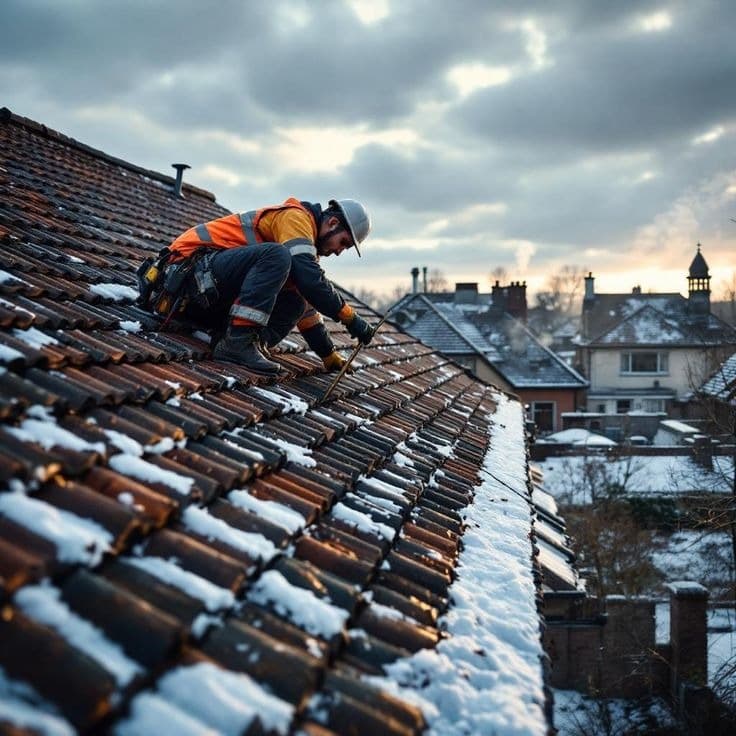
In colder climates, insulation is your first line of defense against the dreaded ice dam. Ice dams occur when heat escapes from your living space into the attic, warming the roof deck and melting the snow above.
- The Cycle: The melted snow runs down to the eaves (the coldest part of the roof), where it refreezes into a thick band of ice.
- The Risk: This ice prevents further snowmelt from draining, forcing water back up and under your shingles. This leads to rotted wood, mold, and interior leaks that can shave a decade off your roof's life.
Managing Moisture and Condensation
It's a common misconception that insulation is only about temperature. It's also about moisture control. When warm, moist air from your home (from showers, cooking, and breathing) rises into a cold attic, it hits the underside of the roof deck and condenses into water droplets.
Pro Tip: Without proper insulation and a vapor barrier, your attic becomes a petri dish for mold and mildew, which can rot the plywood sheathing that holds your shingles in place.
Reducing Structural Stress
Extreme temperature fluctuations cause your roofing materials to expand and contract. This is known as thermal shock.
- Poor Insulation: Leads to rapid, drastic temperature swings between the attic and the outdoors.
- Proper Insulation: Creates a stable thermal buffer. By minimizing these cycles of expansion and contraction, you reduce the stress on the nails, sealant, and wood, preventing 'shingle creep' and structural fatigue.
A roof is a significant investment, and your attic insulation is the insurance policy that protects it. If you notice high energy bills, uneven snow melting on your roof, or a stiflingly hot attic, it's time to check your R-value.